
Removing wisdom teeth is one of the most common dental procedures in Australia. While it’s routine for dental professionals, it’s completely understandable if you’re feeling nervous about what happens after surgery. Most people recover smoothly when they know what to expect and follow proper aftercare. This guide walks you through the recovery timeline, practical tips to manage discomfort, and when you need to contact your dentist.
Why Are Wisdom Teeth Removed?
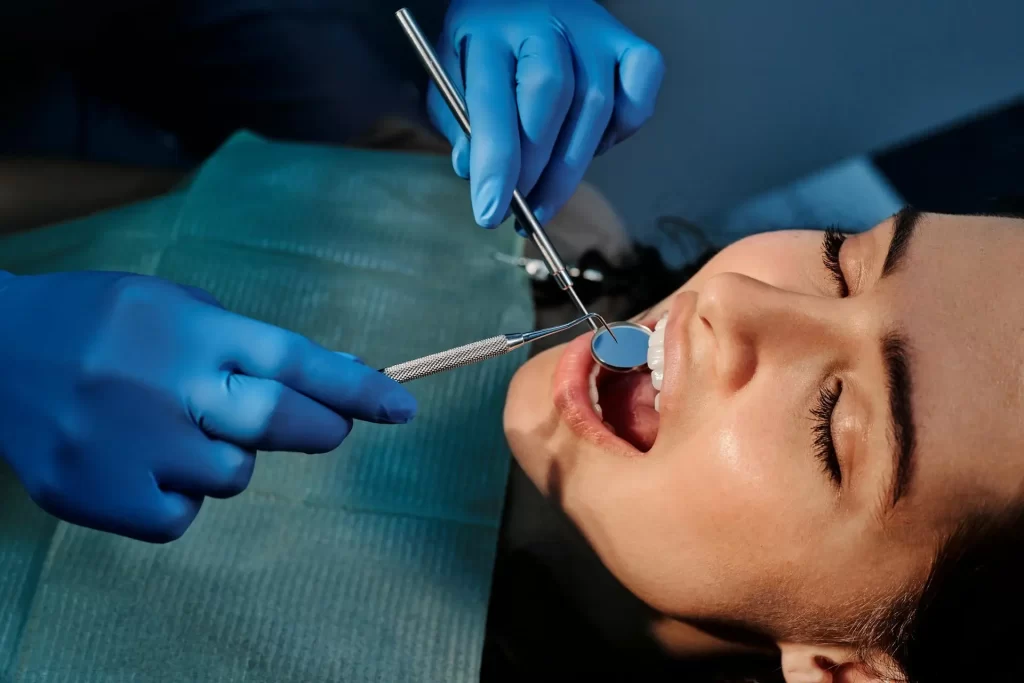
Wisdom teeth, also known as third molars, typically emerge between your late teens and early twenties. While some individuals experience no issues, these teeth frequently present problems due to a lack of space in the jaw or an improper eruption angle. This can lead to pain, infection, crowding of other teeth, and damage to adjacent molars. In such cases, surgical removal may be necessary. An emergency dentist in Adelaide can assess the condition and provide immediate treatment to help relieve discomfort and prevent further dental complications.
Most Common Reasons for Wisdom Teeth Removal
- Impacted teeth (stuck under your gums or in the jawbone) that cause pain or pressure on neighbouring teeth
- Teeth growing in at odd angles that crowd your other teeth
- Gum infection or inflammation around the tooth (a condition called pericoronitis)
- Tooth decay or cyst formation that damages the tooth or bone
- Overcrowding that affects your bite or existing orthodontic work
What Happens After Wisdom Teeth Removal?
The first day after extraction is all about managing bleeding and controlling initial swelling. Your mouth has just had surgery, so some discomfort is completely normal. You can expect the following issues:
Bleeding: Mild bleeding or oozing is normal for the first few hours. Bite down gently on the gauze your dentist gives you for about 30-45 minutes. If bleeding continues, replace the gauze and apply gentle pressure again.
Swelling: You’ll notice some puffiness starting immediately, but it usually peaks over the next 2-3 days. Keep your head elevated (extra pillows help) to reduce fluid buildup.
Grogginess and numbness: It will take several hours for the anesthetic to wear off. Your mouth will feel numb, which is normal. Avoid chewing your cheek or lip while it’s numb to prevent accidental biting.
Pain: You’ll likely feel a little discomfort on the first day, but the anaesthetic will still be working. Start your pain medication as directed before the anaesthetic wears off to stay ahead of any discomfort.
What should you keep in mind at this stage: Rest, keep your head up, don’t poke at the area, and avoid rinsing or spitting. These actions protect the blood clot forming in the socket. This blood clot is essential for healing.
Days 2–3: Peak Discomfort
DDays 2 and 3 are typically when you feel it most. Your body’s inflammatory response ramps up, causing swelling and discomfort to peak. This doesn’t mean something’s wrong, it’s just what healing looks like. If pain becomes difficult to manage, seeking professional care such as TMJ treatment in Adelaide may also help reduce jaw tension and discomfort during recovery.
You’ll likely feel the most discomfort and swelling on days 2 and 3 as your body’s healing process intensifies. This is a normal part of recovery. You can expect:
- Swelling at its worst (your cheeks might be noticeably puffy)
- Throbbing or sharp pain around the extraction site
- Jaw stiffness and difficulty opening your mouth fully
- Possible bruising on your face or neck
- General fatigue or jaw tension
How to Manage Wisdom Teeth Removal Effectively?
- Medication: It’s easier to manage pain if you take your medication regularly, rather than waiting until the pain becomes severe.
- Cold therapy: Apply ice packs wrapped in a clean towel to the outside of your cheeks for 15-20 minutes, then off for 15-20 minutes. Do this several times a day. The cold numbs pain and reduces swelling.
- Elevation: Keep your head elevated when resting or sleeping. This helps gravity reduce swelling naturally.
What to Eat and Drink After Wisdom Teeth Removal?
- Soft Foods: Eat soft foods like yogurt, mashed potatoes, scrambled eggs, soft-serve ice cream, soup (warm, not hot), custard, pureed fruit, and protein shakes. This means less chewing irritation.
- Stay hydrated: Drink plenty of water and herbal tea. But skip the straws. The suction motion can dislodge the blood clot, which leads to a painful complication called dry socket.
- No Hard Foods: Avoid anything hard, crunchy, sticky, spicy, or hot. Crunchy foods can damage healing tissue. Hot foods increase blood flow to the area, making swelling worse.
Skip alcohol and carbonated drinks for at least 5 days as they can disturb the blood clot.
Days 4–7: Things Start Getting Better
By day four, you’ll notice the worst has passed. Swelling starts declining, pain becomes manageable, and you start feeling like yourself again. In this stage you can expect:
- Swelling gradually decreases each day
- Pain reduces to a dull ache that’s easily managed with medication
- Your jaw loosens up and opening your mouth gets easier
- You can gradually reintroduce softer solid foods
Oral Care During This Stage
After 24 hours, rinse gently with a saltwater solution (1/2 teaspoon salt in 8oz warm water). Do not swish vigorously. Brush your teeth gently while avoiding the extraction sites, and keep up good gum disease treatment hygiene to support healing. Continue to avoid straws, smoking, and vigorous rinsing.
What Are the Complications Related to Wisdom Teeth Removal?
Dry Socket
Dry socket is the most common complication after wisdom teeth removal, but it’s still pretty rare affecting only about 5% of patients.
This happens if the blood clot that forms in the socket dislodges or dissolves too early, exposing the bone. This causes severe pain and is much worse than normal post-extraction discomfort.
You’ll know it’s dry socket if:
- Suddenly severe pain starts 3-5 days after extraction
- Pain radiates into your ear or down your neck
- Bad taste in your mouth around the extraction site
- You might see bone at the extraction site
How to Prevent Dry Socket After Wisdom Teeth Removal?
- Don’t use straws for at least 7 days
- Avoid smoking for at least 72 hours (ideally a week or more)
- Don’t rinse, spit, or swish vigorously – let saliva flow naturally
- Avoid hot food and drinks in the first week
- Don’t poke at the extraction site with your tongue
- Follow all aftercare instructions your dentist gives you
Your dentist will clean the socket and apply medication to relieve pain.
Other complications include:
- Infection: Watch out for fever, pus, increased swelling after day 3, or bad-smelling fluid. Infections are avoided by keeping your mouth clean and following aftercare. If you think you have an infection, book an appointment with your dentist right away.
- Excessive bleeding: Some bleeding is normal. But if you’re still bleeding heavily after 24 hours, or bleeding restarts suddenly and won’t stop, contact your dentist.
- Nerve damage: Rare, but temporary numbness or tingling of your lip, chin, or tongue can happen. In most cases, this resolves within 2-3 weeks as the nerve settles down.
- Prolonged swelling: Mild swelling for a week is normal. But if swelling worsens after day 3 or persists for more than a week, get it checked.
How to Speed Up Recovery After Wisdom Teeth Removal?
Recovery speed depends on several factors: how impacted the teeth were, your overall health, your age, and how well you follow aftercare instructions. But there are definitely things that help:
- Stay hydrated (without straws)
- Get plenty of rest
- Take medications as prescribed
- Maintain gentle oral hygiene
- Eat nutritious soft foods
- Avoid smoking completely
- Don’t skip your follow-up appointment
When to Contact Your Dentist?
Contact your dentist if you experience:
Severe pain that doesn’t improve with medication or worsens after day 4
- Fever of 38.5°C (101.3°F) or higher
- Excessive bleeding that won’t stop with pressure
- Pus or foul-smelling discharge from the extraction site
- Difficulty opening your mouth, breathing, or swallowing
- Swelling that worsens after day 3
- Signs of dry socket (severe pain, exposed bone, bad taste)
- Any symptoms that concern you as it’s better to ask than worry
Wisdom Teeth Removal and Recovery in Adelaide
Wisdom teeth removal recovery is temporary. Yes, a few days are uncomfortable but most people bounce back within a week and feel completely normal by 2-3 weeks. The key is following aftercare instructions, managing pain proactively.
At Alpha Dental & Implant Centre, we’ve been caring for Adelaide families for over 35 years. Our experienced team provides gentle wisdom teeth extractions with clear aftercare guidance.
Book a dental appointment today or call (08) 8269 3311 or email info@adicentre.com.au.
Disclaimer: This information is educational and general in nature. Always follow your individual dentist’s specific aftercare instructions for your situation. If you’re concerned about any aspect of your recovery, contact your dentist promptly.




Recent Comments